Need help choosing?
Our team can recommend the perfect kit for any age or skill level.
Expert facilitators from Robotixkids deliver programmes at your school
Training platform and resources from Inspire Africa
Multi-learner STEM kits with bulk pricing for schools
Online STEM courses on the Inspire Africa platform
Looking for something else?
View all our education solutions and find the right fit for your school.

Brand: MatataStudio
Complete coding, robotics, and AI classroom solution for Grades 3–7
Age
8-12
Batteries
No batteries required
Projects
75 activity cards + 18+ challenges
Guide
Challenge booklet + user guide
Soldering
Not Required
Coding
MatataCode app — Scratch & Python
VinciBot is built for real classroom conditions — mixed abilities, limited prep time, and the need to demonstrate curriculum value.
VinciBot's 75-activity curriculum covers sequencing, loops, conditionals, functions, and variables — core computational thinking concepts for Grades 3–7. Activities are structured and progressive, ready to integrate into your existing teaching programme.
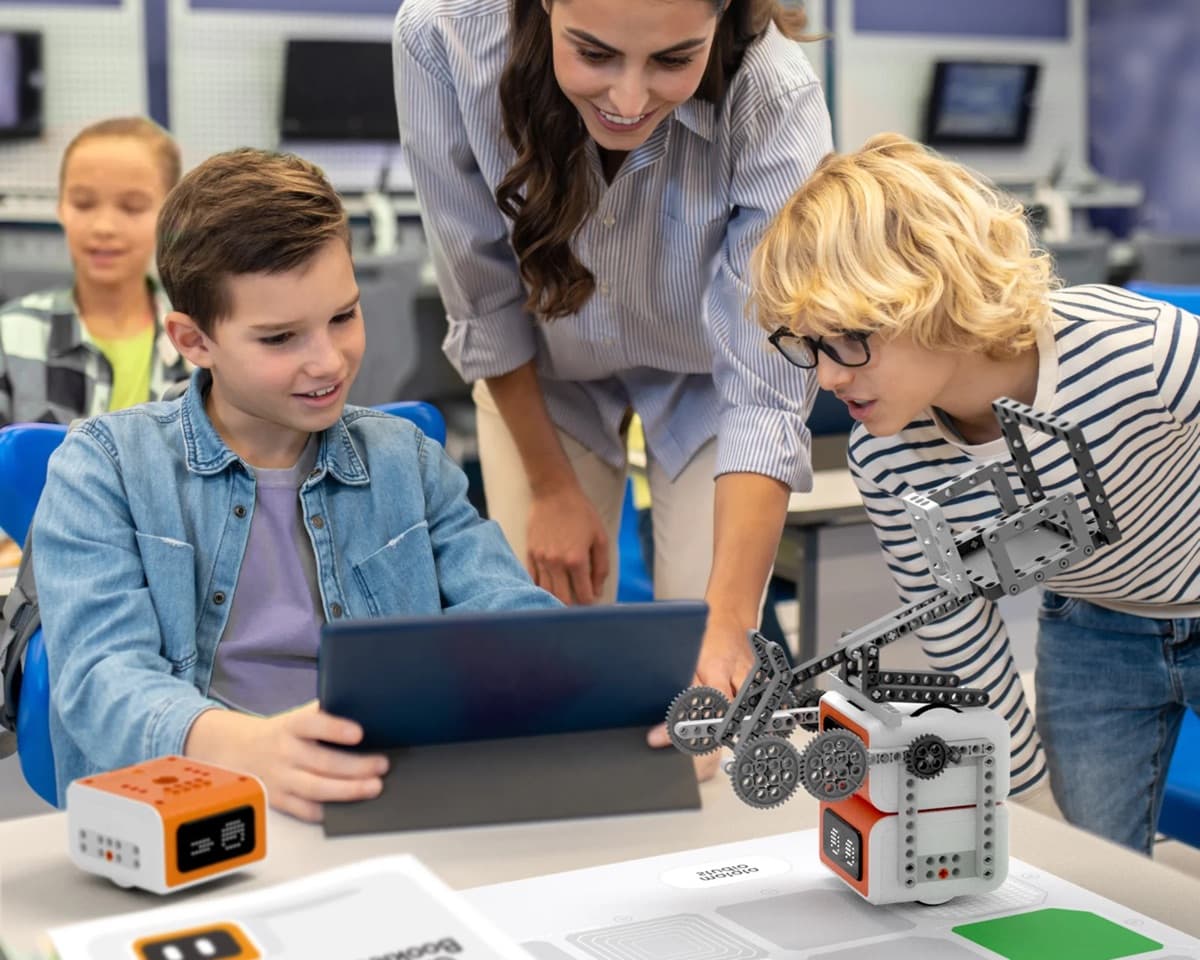
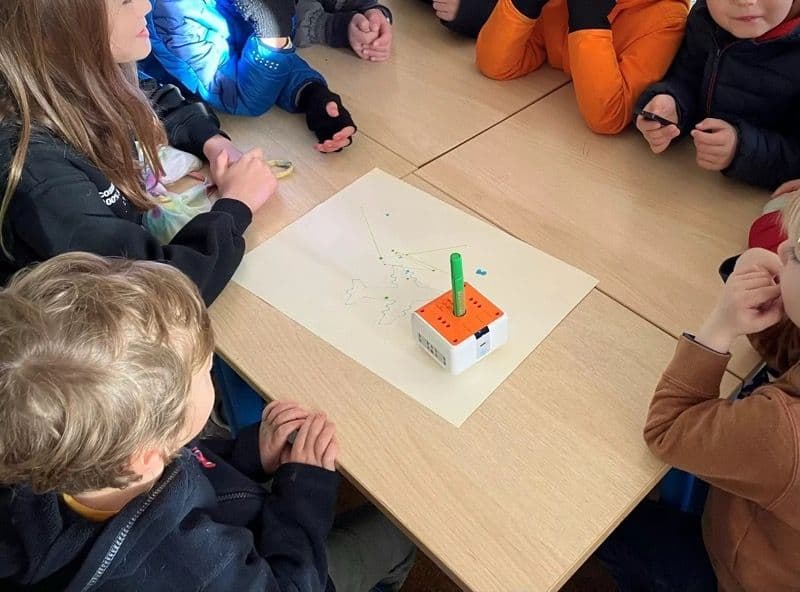
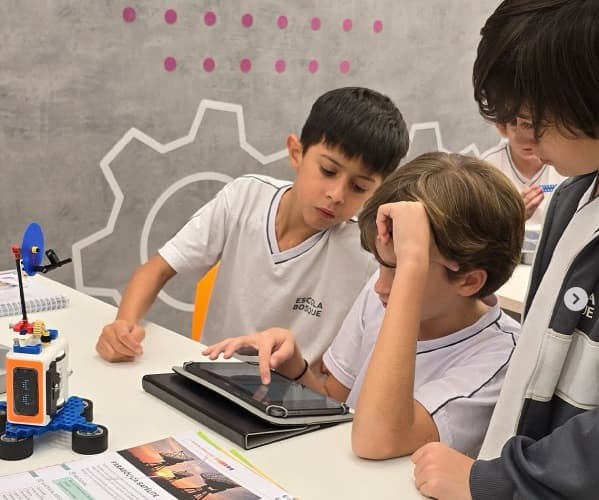
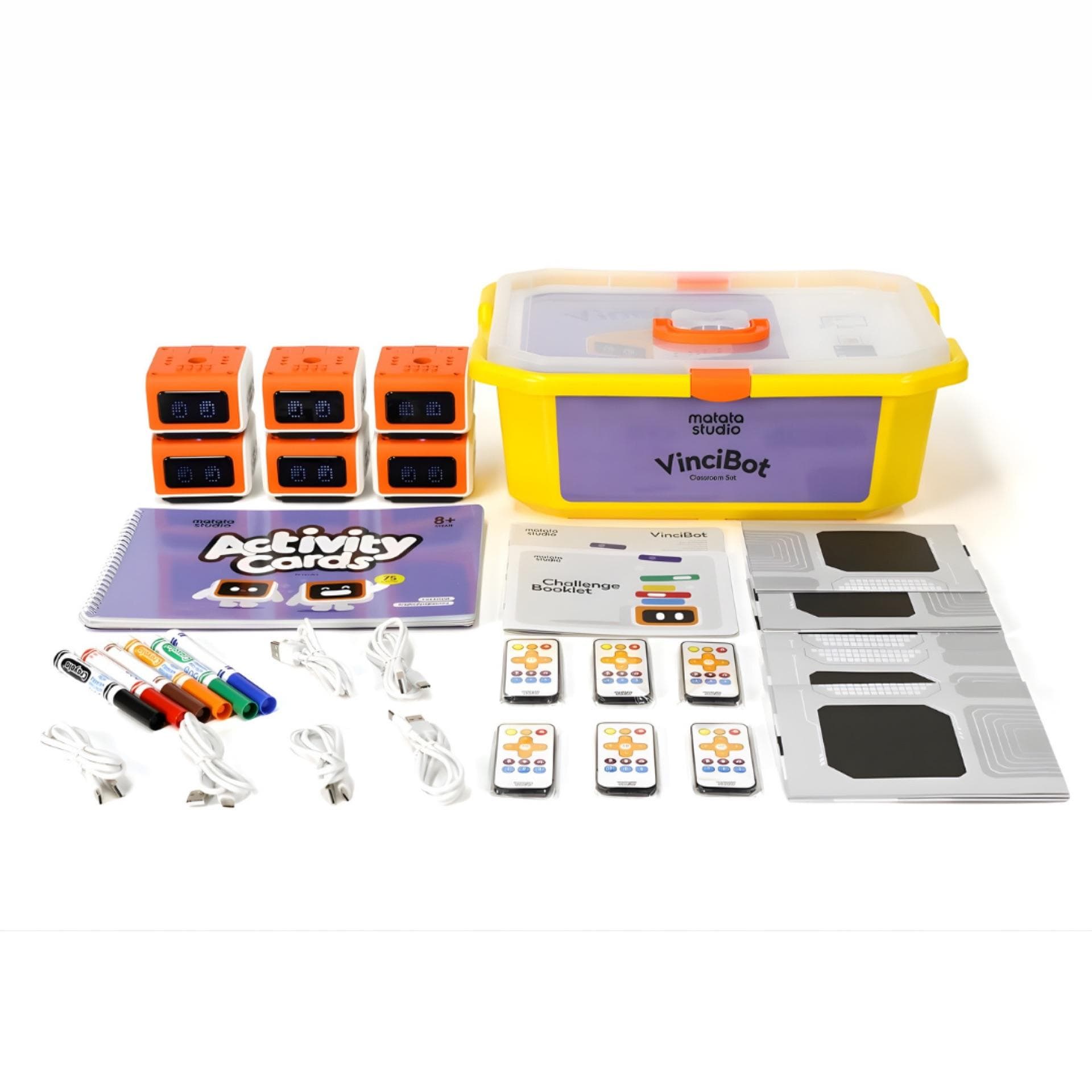
Each robot supports 2–4 learners working collaboratively. Six robots in the classroom set means your full class engages simultaneously — no rotation, no waiting, no disruption.
No STEM background required. The included teacher guide, challenge booklet, and free online professional development course give you everything needed to deliver confident, effective lessons from your first session.

Six robots. Up to 24 learners. No rotation, no waiting. Groups of 2–4 learners share a robot — deciding together who codes, who observes, and who records results. Collaboration is built into every activity, not bolted on. Stronger coders naturally support peers, and educators report spontaneous peer teaching emerging within the first few sessions.
Every aspect of VinciBot is engineered with the realities of a South African classroom in mind.
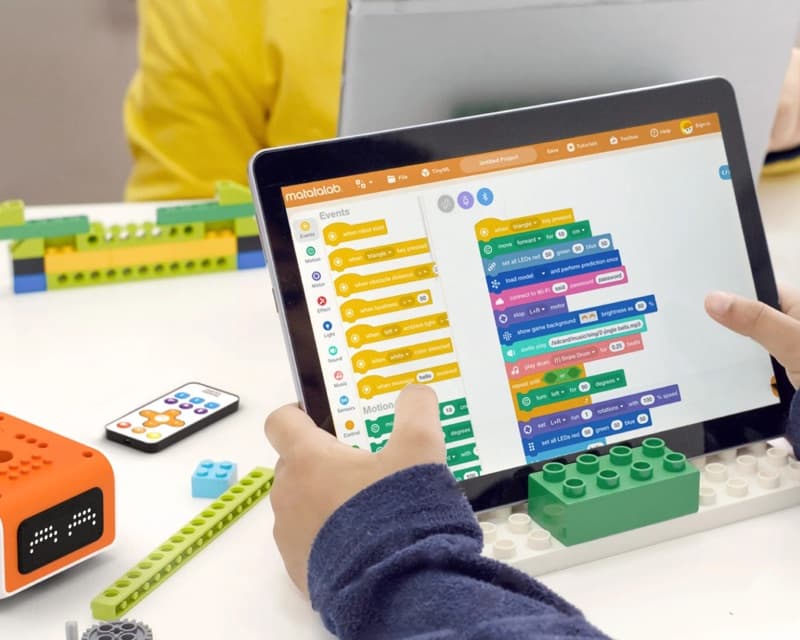
Learners begin with block-based Scratch and advance to text-based Python — on the same robot, in the same term, with no equipment change.
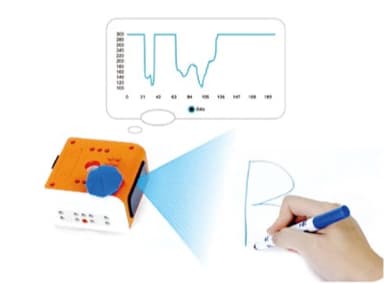
TinyML features (gesture recognition, voice commands, handwriting recognition) run entirely on the robot. Works reliably in schools with limited connectivity.
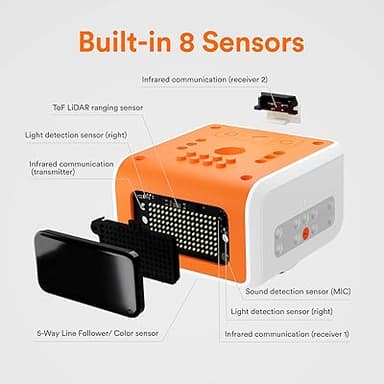
Distance, light, sound, colour, and line-following sensors give learners real data to work with — turning abstract coding concepts into tangible, physical outcomes.
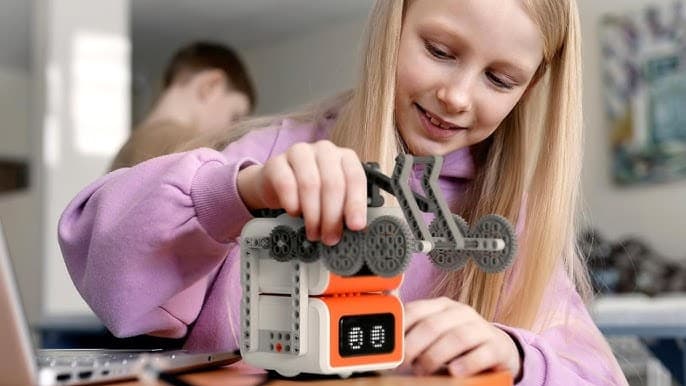
Compatible with LEGO bricks, Technic motors, and expansion kits. Scales from foundational activities to advanced engineering projects as your programme grows.
Challenge booklet, user guide, and a full 6-lesson online professional development course (Course 5) give educators the confidence to teach without prior STEM experience.
A purpose-built plastic storage bin keeps all six sets organised. Setup and pack-away are fast — reducing lesson prep overhead for busy educators.

VinciBot bridges visual and text-based coding on a single robot. Learners begin with Scratch's block-based interface and progress to Python — with no new hardware, no new setup, and no interruption to the lesson. This progression happens on the same device your class already uses, making it practical for schools managing multiple grade levels with one set of equipment.
75 structured activities across 5 progressive modules
Activities progress from foundational sequences to multi-robot communication and AI — suitable for mixed-ability classrooms at Grades 3–7. Each fits a standard 45-minute lesson period.

Learners write their first sequence to make VinciBot introduce itself via movement and LED display.
Learn: Sequences, basic commands

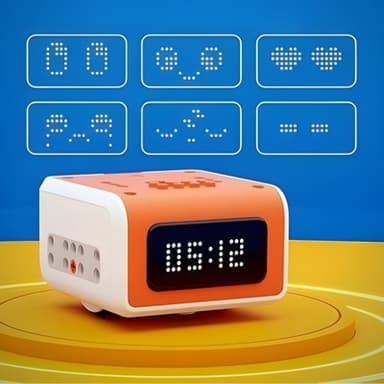
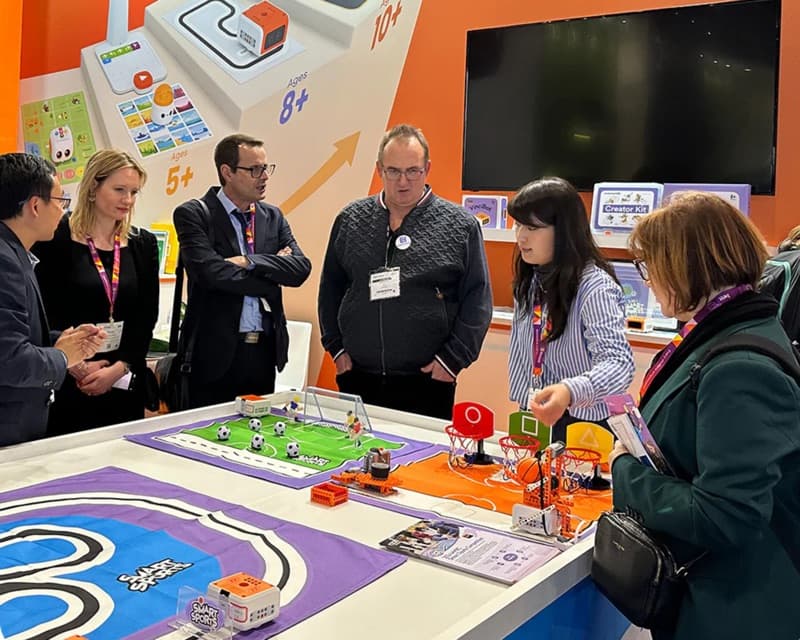
Programme the 16×8 LED matrix to display a colour sequence — learners discover the power of loops.
Learn: Loops, LED programming

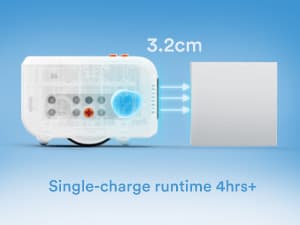
Use the ToF distance sensor to measure objects accurately — combines maths and coding in one activity.
Learn: Loops, sensor data, measurement

VinciBot uses obstacle detection to respond to objects — learners write their first if/then logic.
Learn: Conditionals, sensor response

Two robots communicate via infrared and perform synchronised movement — a multi-robot collaboration challenge.
Learn: IR communication, multi-robot coordination

Train VinciBot to recognise hand gestures using on-device TinyML — no internet required. Learners experience real AI running on the robot itself.
Learn: TinyML, gesture recognition, on-device AI
Plus 69 more activities covering functions, variables, line following, TinyML, IoT, and creative drawing — and 3 extended PBL engineering projects
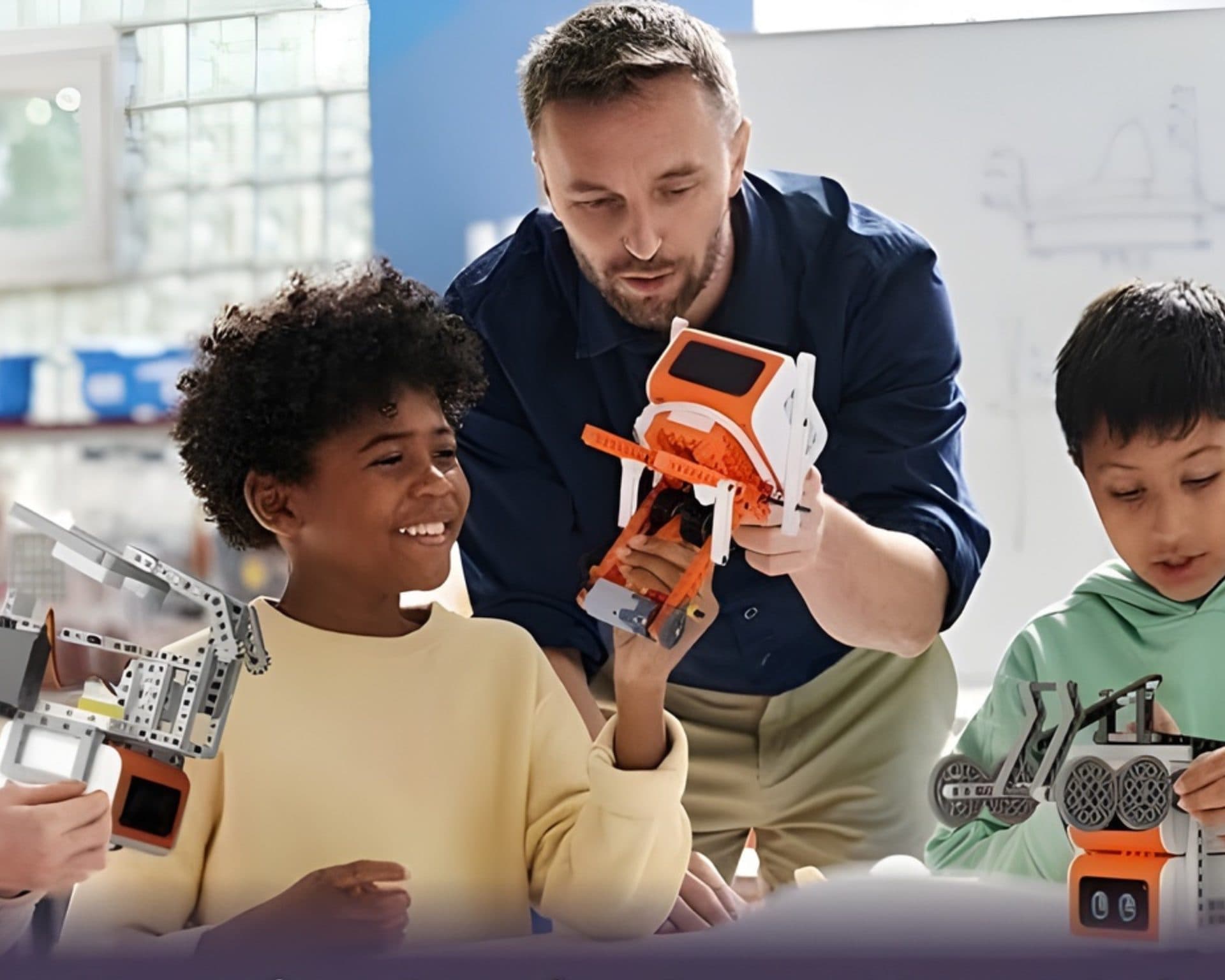
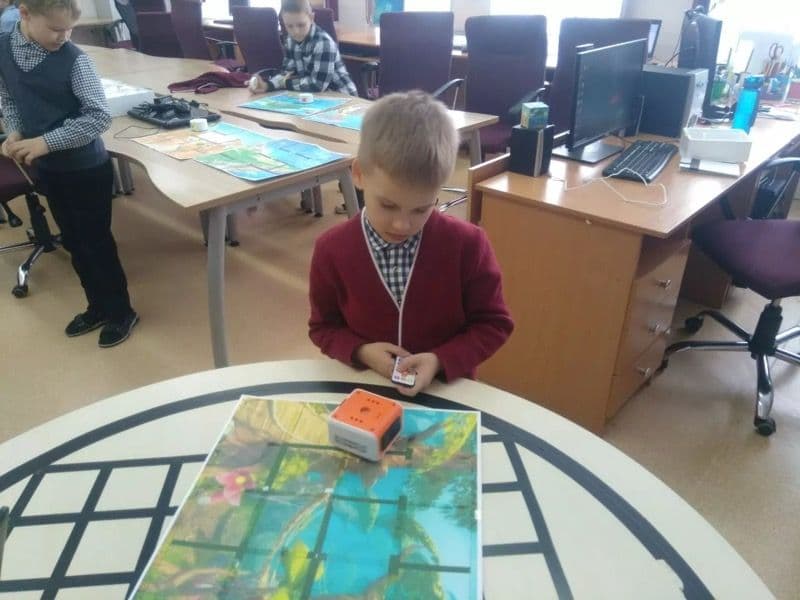
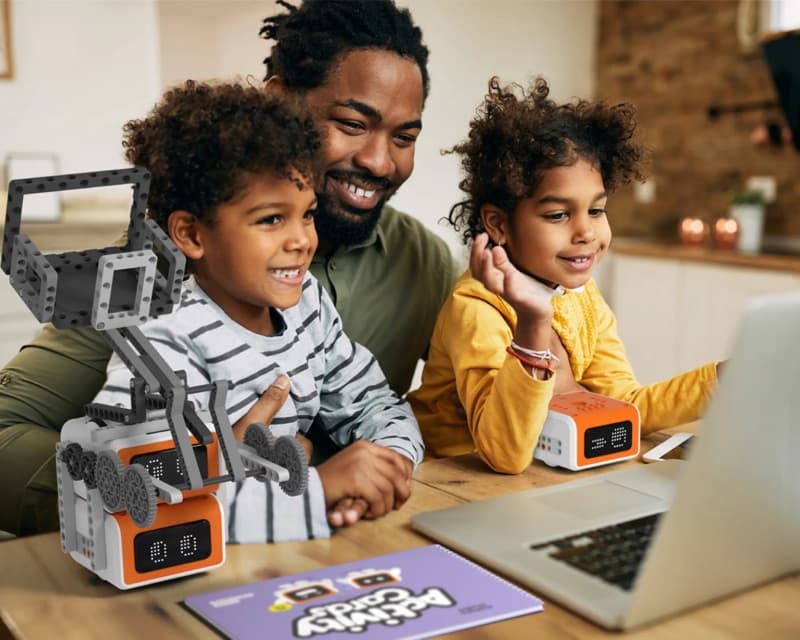
From home learning to coding clubs and classrooms — VinciBot engages learners wherever they are.


| Age Range | 8–12 years (Grades 3–7) |
| Robots per Set | 6 VinciBots |
| Learner Capacity | 12–24 learners (2–4 per robot) |
| Battery | 1500mAh rechargeable, 4+ hours per charge |
| Charging | USB-C; 10-port station included |
| Sensors | 8+ (ToF LiDAR, 5-channel line/colour, 2× light, sound, IR) |
| LED Display | 16×8 programmable matrix (128 LEDs) + 6 RGB LEDs |
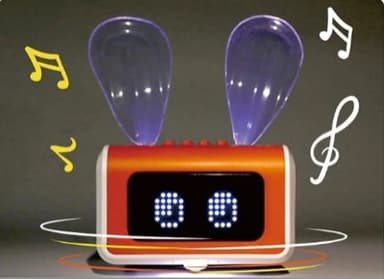
| Audio | Speaker with 21 instrument sounds (WAV and MP3) |
| Coding Platforms | Scratch (block-based) and Python (text-based) |
| App Compatibility | Windows, Mac, iOS, Android; web browser supported |
| Connectivity | Bluetooth; LEGO and Technic motor compatible |
| AI Capability | On-device TinyML (gesture, voice, handwriting recognition) |
| Curriculum Standards | ISTE certified; covers concepts from CSTA, NGSS frameworks |
| Storage Bin Dimensions | 41 × 30 × 14 cm |
| Material | ABS plastic; safety certified |
| Activities Included | 75 core + 18+ challenge activities |
Trusted by schools and coding clubs across South Africa. VinciBot grows with your learners from Grade 3 to Grade 8.